Why we createbeauty — and chaos
One continuous journey through culture, communication, wellbeing and technology — asking the same question from different directions.
About me
I was raised in an environment deeply connected to literature, culture and independent thought. My grandfather belonged to a generation of Polish writers, art critics and intellectuals who helped preserve independent culture during a period when creative freedom was limited. Through books, art and conversations, I learned early that culture is much more than entertainment. It is one of humanity’s oldest attempts to understand itself — and to endure in difficult times.
This fascination led me first to political science, where I focused on the concept of the welfare state and the role of social systems in supporting human flourishing — and of a state that takes care of its citizens. I believe I later found many of these values in the UAE. I went on to study media, marketing and cultural studies at the Polish Academy of Sciences, continuing my search from a different perspective.
At first glance these fields appeared unrelated. They were not. Whether through politics, communication, culture, wellness or technology, I was always exploring the same question: how do human beings relate to one another, and what helps them create coherence instead of chaos?
My path
My professional journey began unusually early. In my early twenties, I became responsible for internal and crisis communication in one of Poland’s largest telecommunications organizations, supporting communication for more than 3,500 employees. It was my first real laboratory of human behaviour. I witnessed how information shapes emotions, how uncertainty spreads through systems, how trust is built and how quickly it can disappear.
From there, my work expanded into media relations, public communication and brand strategy. Over the years, I learned that communication is never simply the transfer of information. Communication is the way reality is experienced. The stories we tell influence how people think, how they feel, what they believe and ultimately how they act.
This understanding led me naturally into culture. I worked with some of Poland’s most respected cultural institutions, including the Polish National Opera, where I served as Head of Marketing, as well as major international film festivals and national media organizations. Whether working with artists, audiences, journalists or institutions, I was always interested in one thing: how can ideas move people?
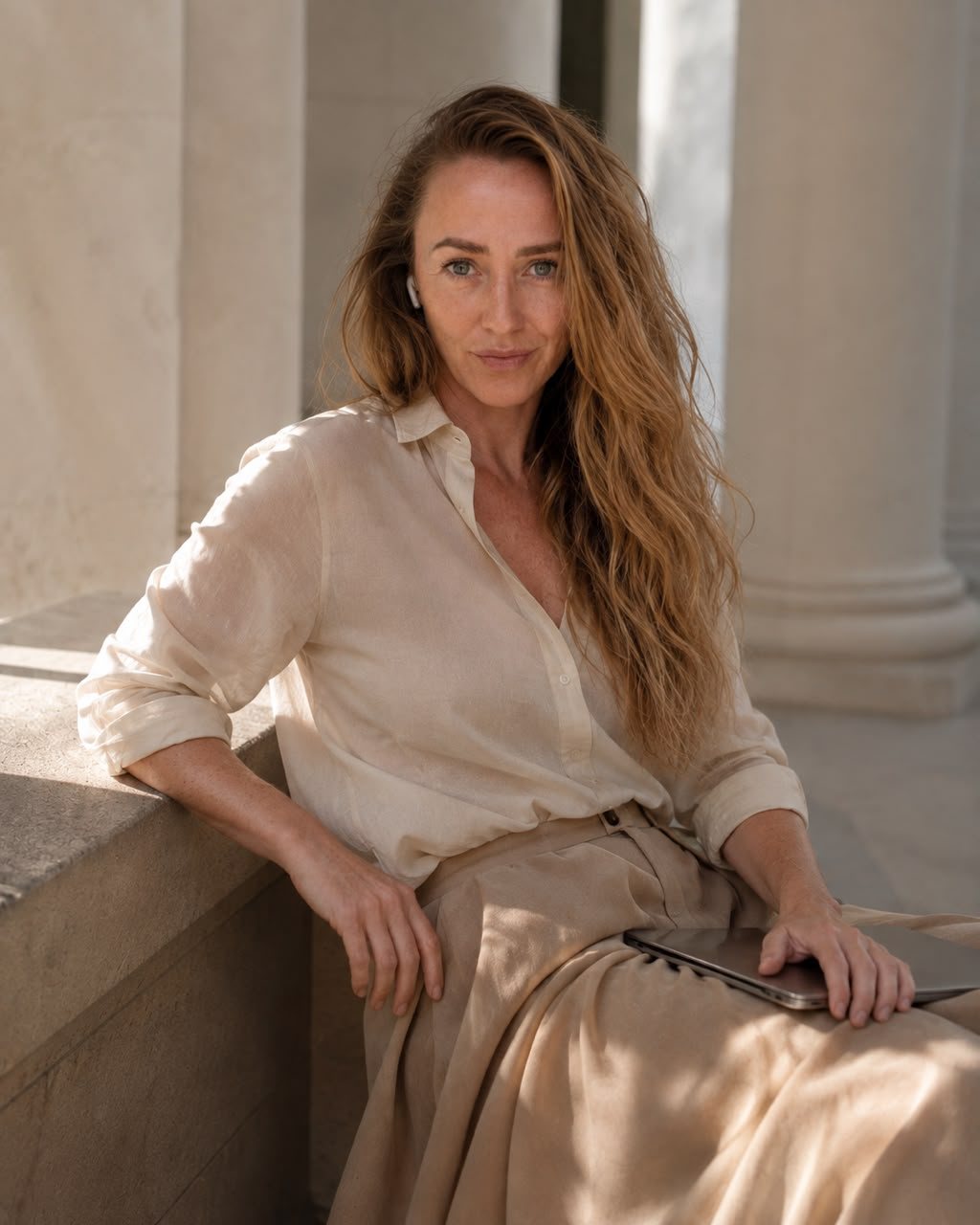
Human potential
Over time my search moved beyond institutions and into the human being itself. I became increasingly interested in psychology, personal development, meditation, yoga, nervous system regulation and human wellbeing. I completed numerous programs and trainings while studying the work of researchers, physicians and thinkers including Joe Dispenza, Gregg Braden and Bruce Lipton.
During the pandemic, I spent two years living close to nature while working remotely and creating wellbeing experiences and retreats for women. Some were my own initiatives. Others were developed together with remarkable women who shared a desire to reconnect with themselves, their bodies and the natural world.
Those years profoundly changed me. Again and again I witnessed something extraordinary: when given the right environment, support and safety, people often reveal strengths they never knew they possessed — particularly women. I saw resilience where people saw weakness. Potential where people saw limitation. Wisdom where people saw uncertainty.
Human beings are far more capable than they believe.
From human systems to technology
When I moved to the United Arab Emirates, another chapter began. I entered the world of startups, emerging technologies, innovation ecosystems and digital transformation. At first, technology appeared very different from the worlds of culture and human development. Yet I quickly discovered that the same questions existed there as well.
Technology is ultimately a human story. Every platform, every system, every algorithm and every product influences the way people communicate, make decisions and experience reality. Through Quanthio, I became involved in projects spanning digital transformation, IoT platforms, wellness technologies, smart cities, innovation programs and future-oriented ventures.
What fascinated me most was not technology itself. It was the relationship between technology and the human being. The internet is not going away. Artificial intelligence is not going away. The question therefore is not whether technology should exist. The question is: how do we build technology that serves human flourishing rather than human fragmentation?
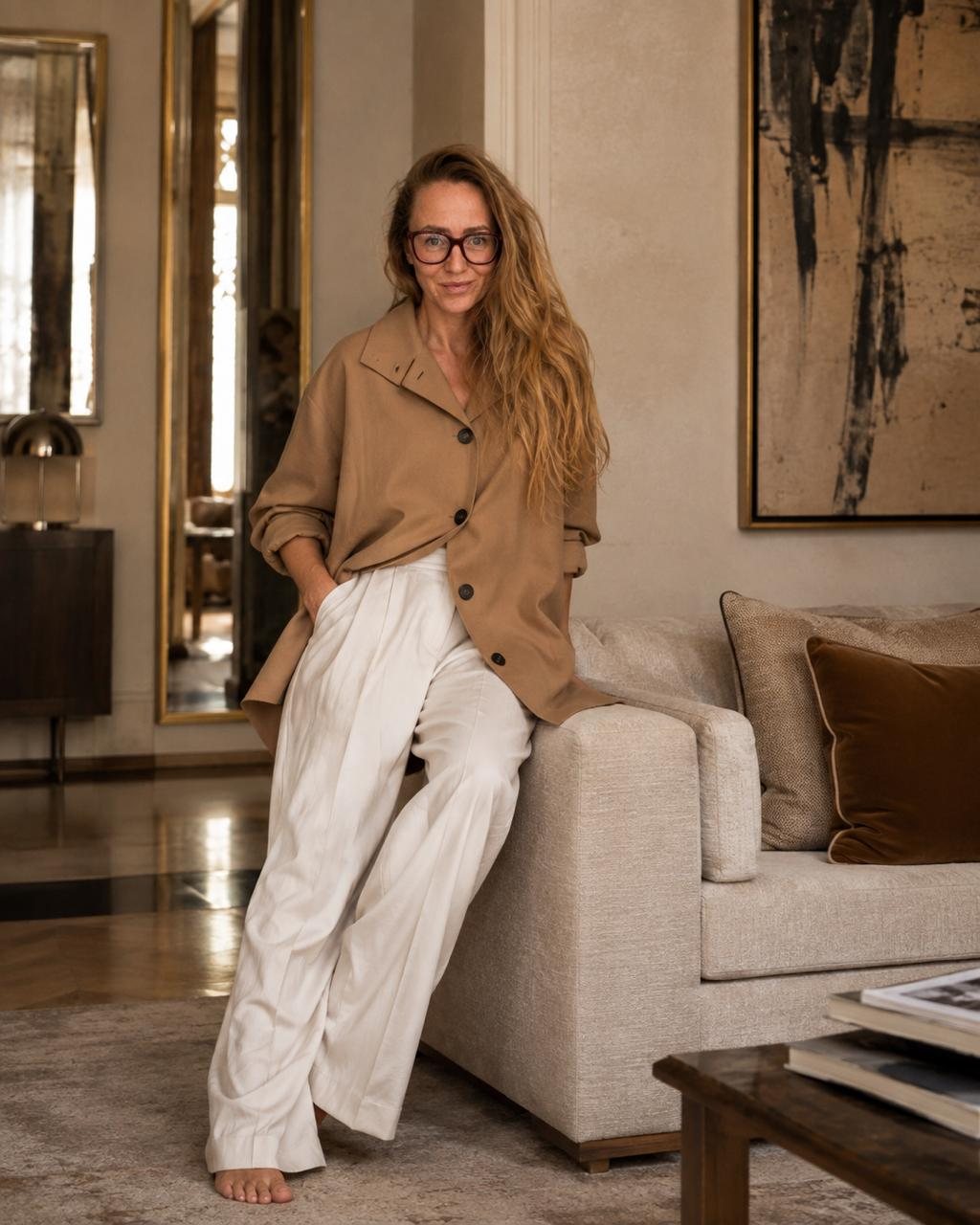
The missing half of innovation
After working across culture, communications, wellness and technology, I began noticing the same pattern everywhere. Innovation focuses heavily on intelligence, on speed, on capability, on performance. Yet it rarely asks a more fundamental question: what allows intelligence to be used wisely?
Human history demonstrates that intelligence alone does not create progress. The most intelligent systems can still create chaos. The most advanced technologies can still amplify fragmentation. What is often missing is regulation — the ability to understand timing, context, consequences, relationship. The ability to know not only what can be done, but what should be done, and when.
I came to believe that this missing layer may be one of the most important challenges facing both humanity and technology.
Time Eligibility Protocol
The culmination of this journey became the Time Eligibility Protocol (TEP). TEP emerged from a simple observation: healthy biological systems do not react to every signal immediately. They regulate. They assess context. They evaluate history. They determine whether a particular action is appropriate for a particular moment. This principle appears repeatedly throughout nature. Yet modern technologies rarely operate this way.
TEP explores whether decision-making systems can move beyond pure reaction and incorporate a layer of regulation based on historical coherence and system viability. It is the result of years of interdisciplinary exploration spanning human behaviour, wellbeing, communication, mathematics, systems theory and artificial intelligence.
For me, TEP is not merely a technological project. It is a continuation of the same question that has guided my life from the beginning: what helps human beings and human systems remain coherent in a world of increasing complexity?
Looking back, I no longer see separate chapters. I see one continuous journey — dedicated to understanding people, understanding communication, understanding how meaning is created, and how systems either move toward coherence or drift toward chaos.
Whether I was working in cultural institutions, facilitating retreats in nature, building innovation projects or developing new technological frameworks, the intention remained the same: to better understand what it means to be human, and to contribute to a future where technology strengthens rather than weakens that humanity. That remains the work of my life.